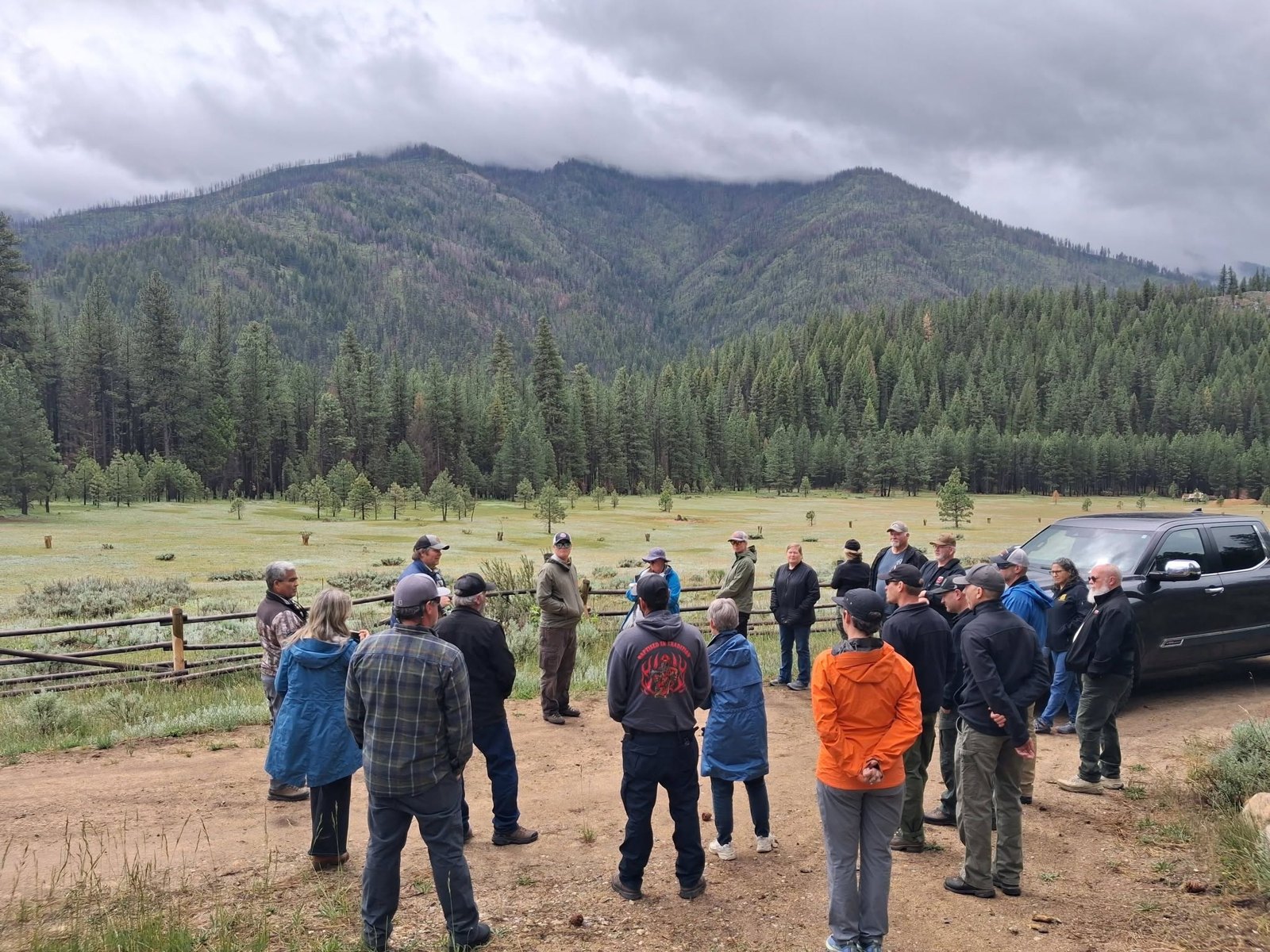
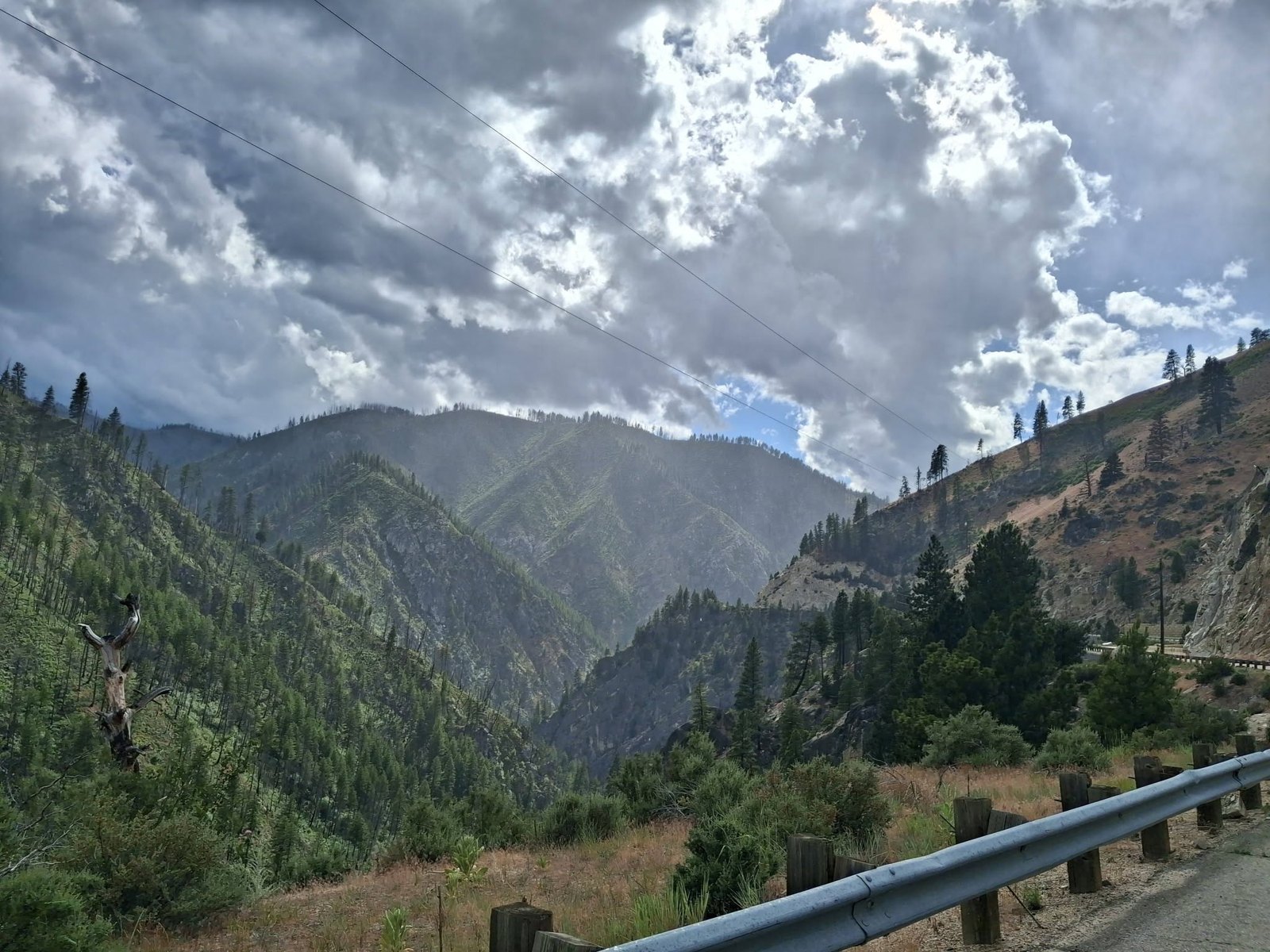
Lowman is a mountain community set in a steep and breathtaking forested canyon, surrounded by the Boise National Forest and other public lands, and ranked nationally in the 95th percentile for wildfire risk. When fire moves in this canyon, evacuation options can be immediate and irreversible — and sometimes nonexistent. This program lays the foundation for the organized, lasting capacity the community needs to protect lives, reduce risk, and build long-term wildfire resilience.
"Building the neighbor-to-neighbor capacity that turns wildfire awareness into protected homes — one parcel at a time."
Lowman is a wildfire-resilient community where neighbors work side by side to reduce wildfire risk. Through trusted local leadership and shared learning, the community builds lasting capacity that grows over time — season after season — and becomes a model of resilience and learning for Boise County and other communities facing similar circumstances.

Lasting local capacity to reduce wildfire risk, year after year.
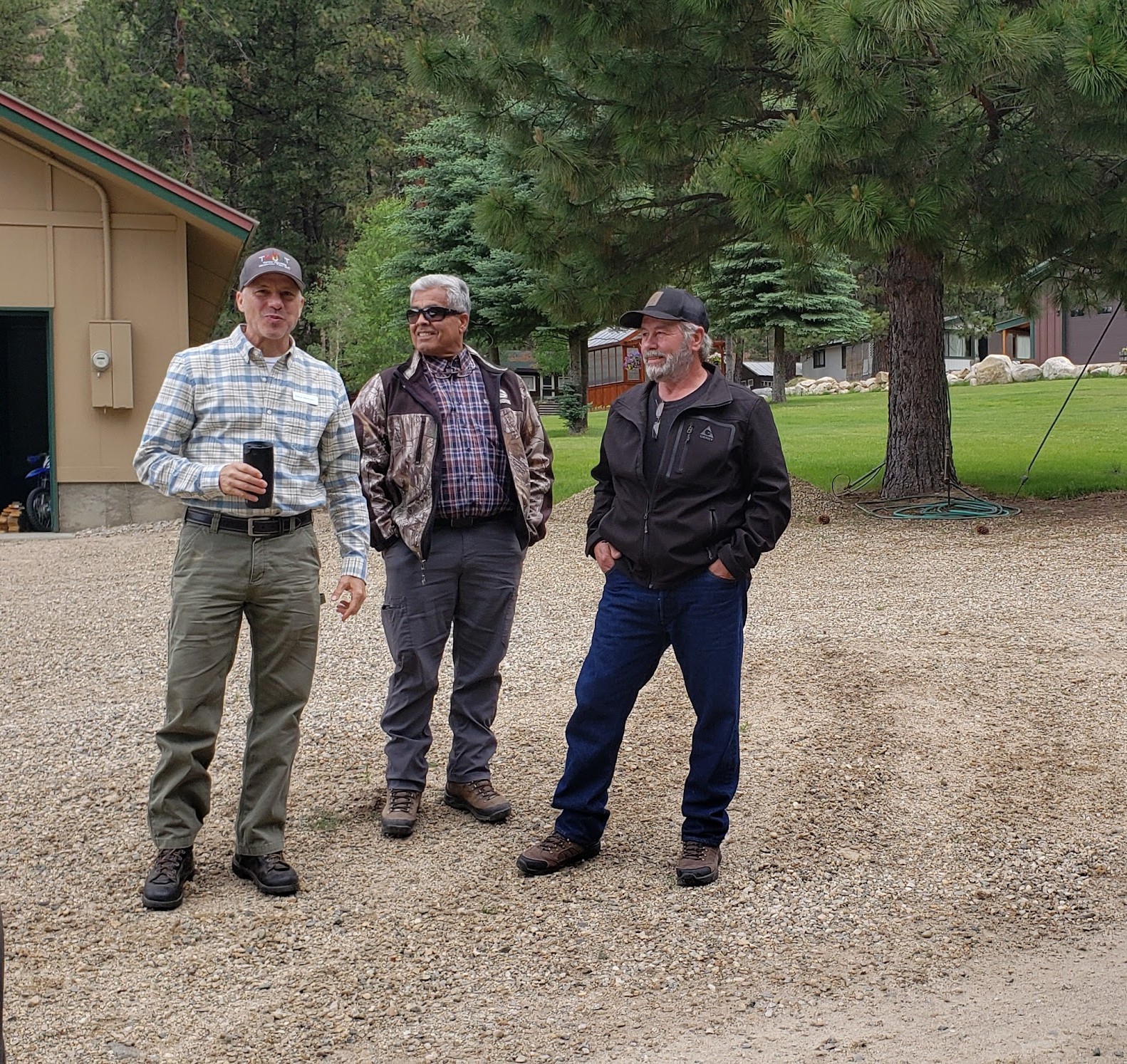
Trusted Neighborhood Ambassadors connecting neighbors across Lowman.
Homeowners equipped to reduce wildfire risk around their homes.
Reducing wildfire risk around homes and across Lowman.
Neighbor-to-neighbor support for reducing wildfire risk.
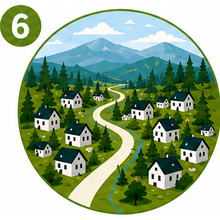
Neighborhood by neighborhood.
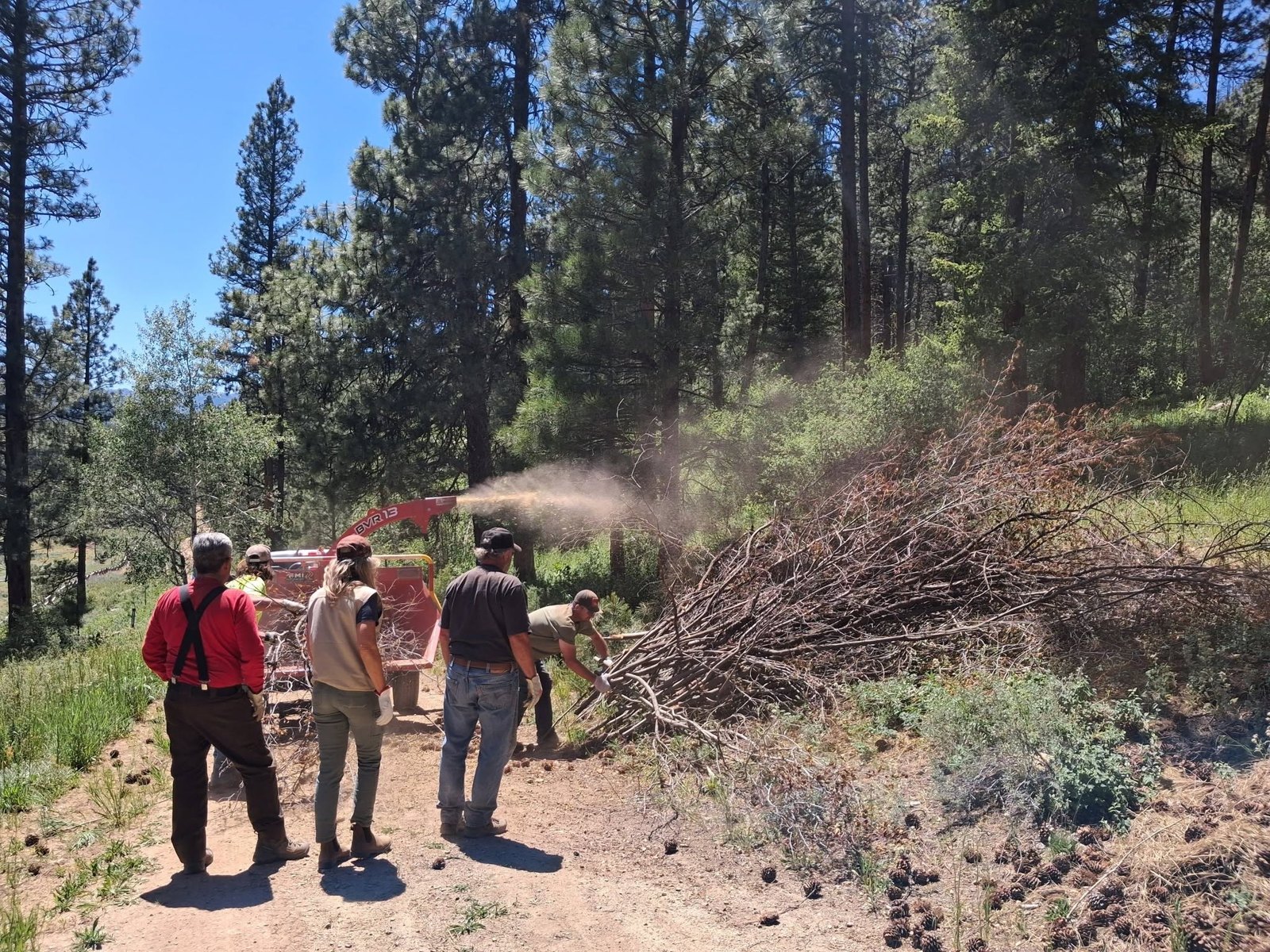
One of Lowman’s greatest strengths is its people — neighbors who show up for one another through fire seasons and hard winters.
As wildfire risk grows, Resilient Lowman is building on that strength, bringing neighbors together to reduce wildfire risk — household by household — and strengthen resilience across the community.
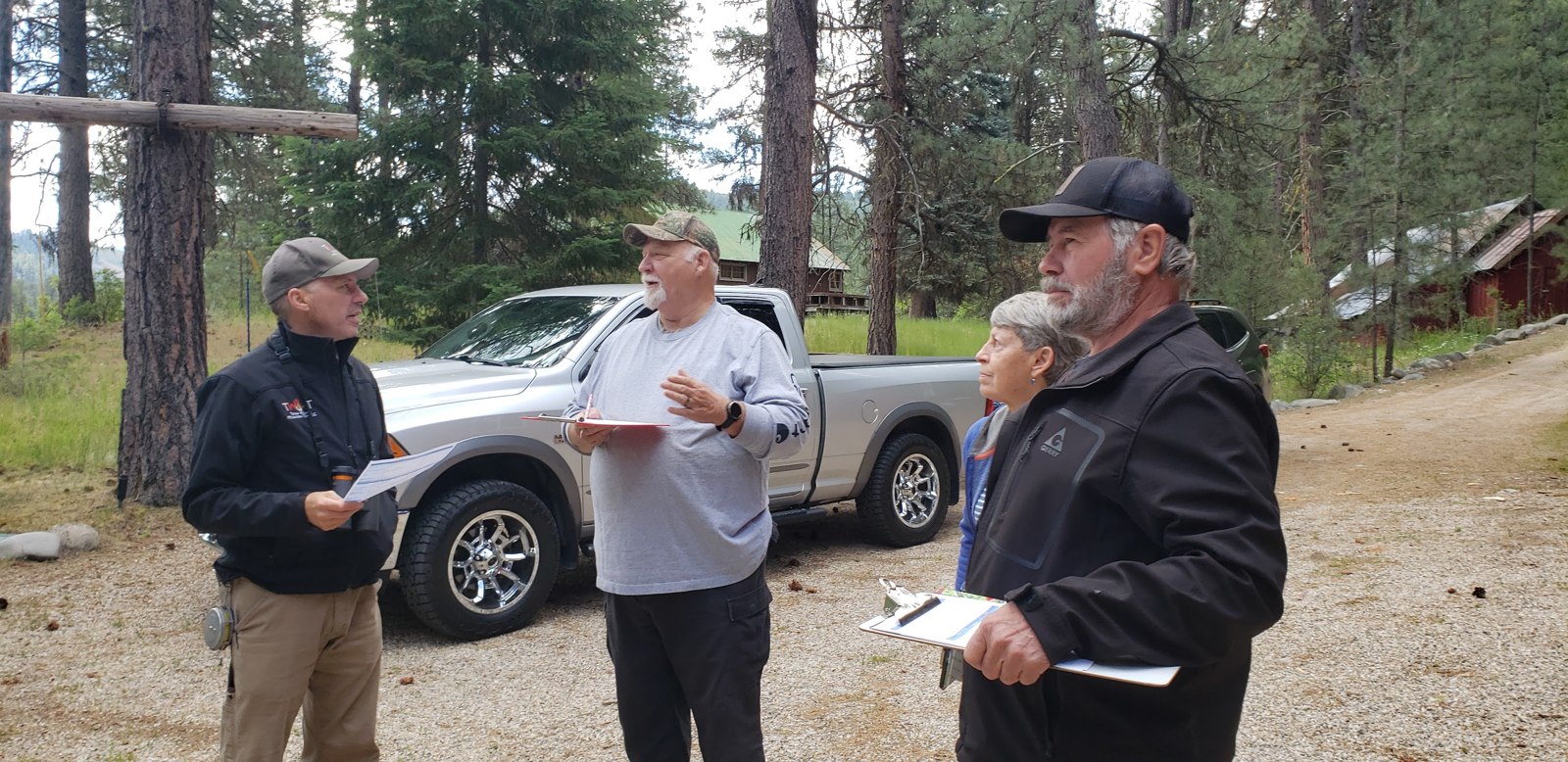
Lowman homeowners learn alongside trained volunteers to identify and reduce wildfire risk around their homes, then support neighbors who otherwise may struggle to undertake mitigation work on their own. This experience of mutual help carries across neighborhoods.
The result is safer homes and a community that is more connected and more capable — built on neighbors helping neighbors, supported by shared resources, trusted leadership, and the capacity that carries this work forward, year after year.
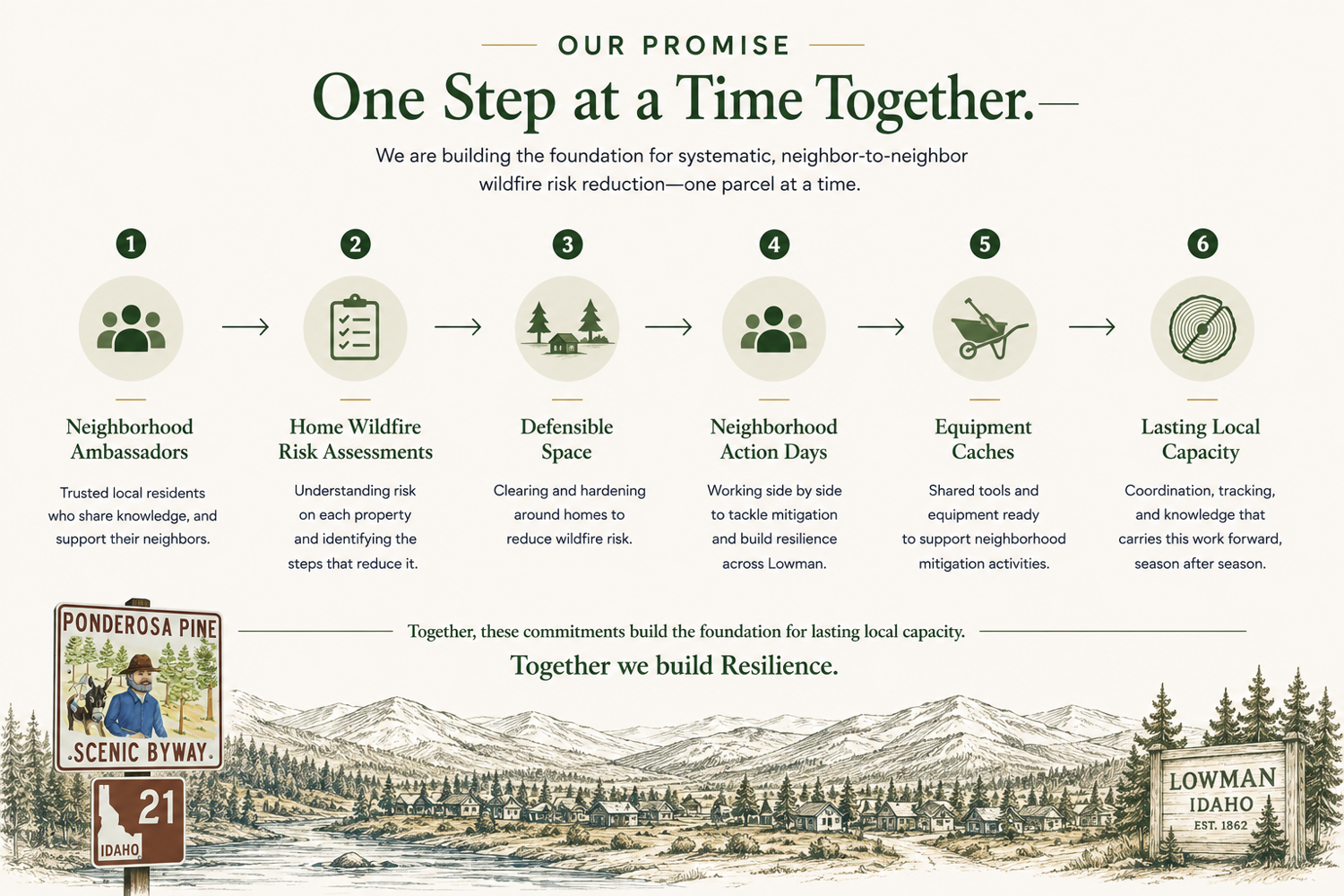
This vision is already taking shape across Lowman: a growing network of Neighborhood Ambassadors trained and active, with more neighbors stepping forward across Lowman; Home Wildfire Risk Assessments underway toward our goal of 60 homes; defensible-space work prioritized at the 30 highest-risk properties; community action days bringing neighbors together for larger projects; and shared equipment and local know-how being pooled and kept in Lowman for the long term. See live progress →
We are building the foundation for systematic, neighbor-to-neighbor wildfire risk reduction — one parcel at a time.
Together we build resilience.
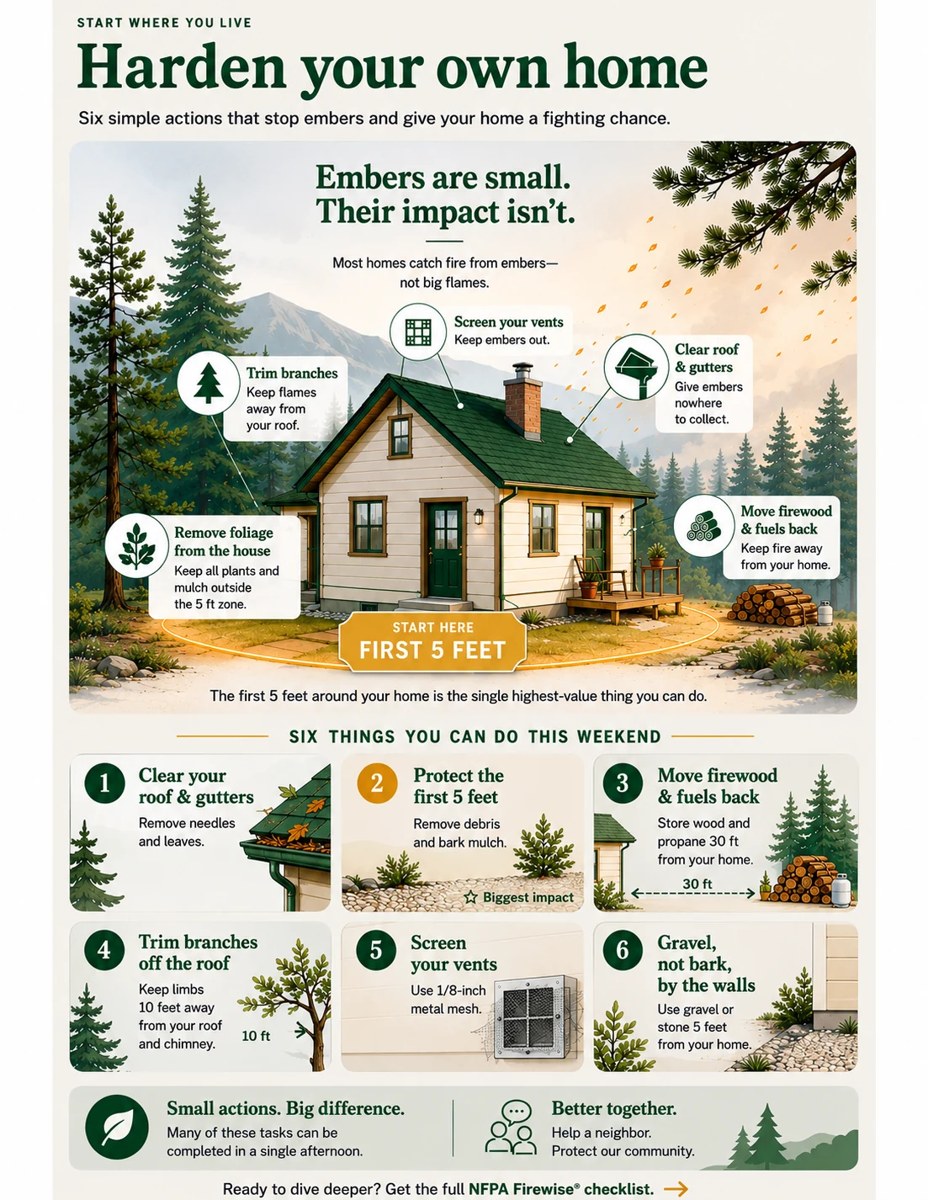
The most important wildfire work happens at your own home and on your own street. You don't have to wait for anyone — here is where to begin.
Begin in the first five feet around the house and any nearby structures — where embers land and catch. Clear needles and leaves here and off the roof, move firewood and anything that burns away from walls and decks, trim branches off the roof, and screen vents with fine metal mesh (one-eighth inch).
Notice who's away part of the year, or facing a job bigger than one person can manage alone. A little help clearing or trimming brush goes a long way — and a road where neighbors look out for each other is a safer one.
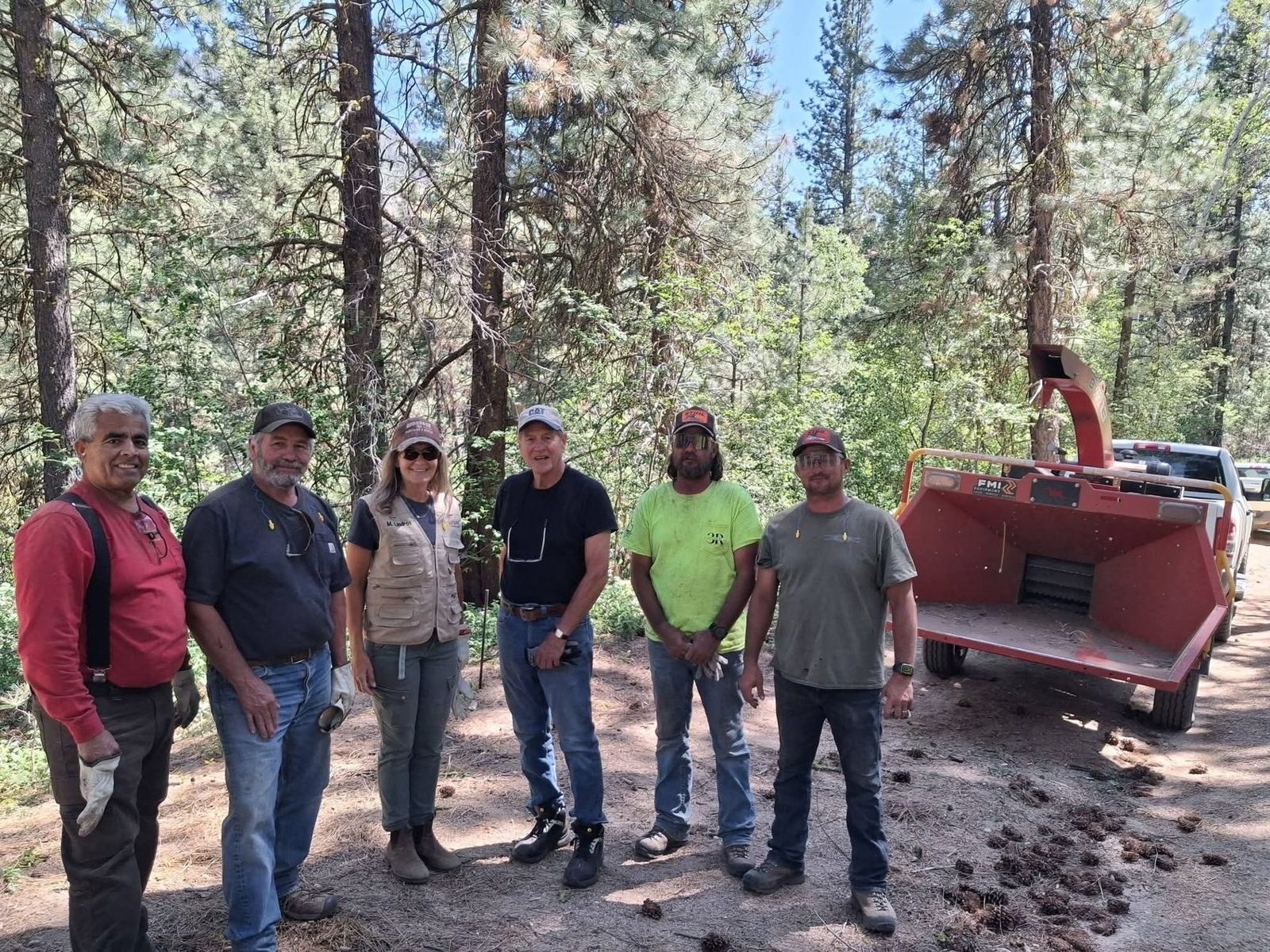
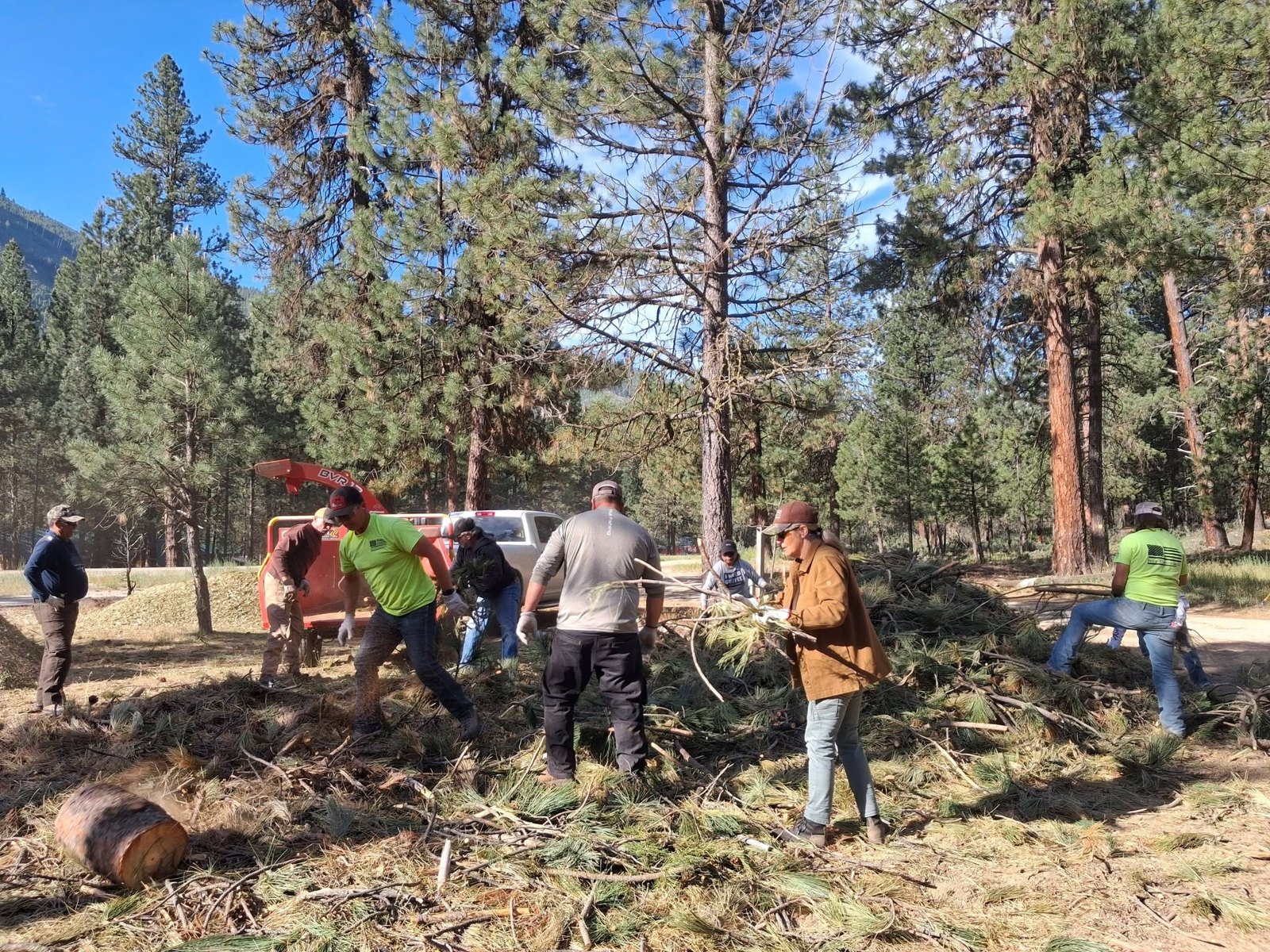
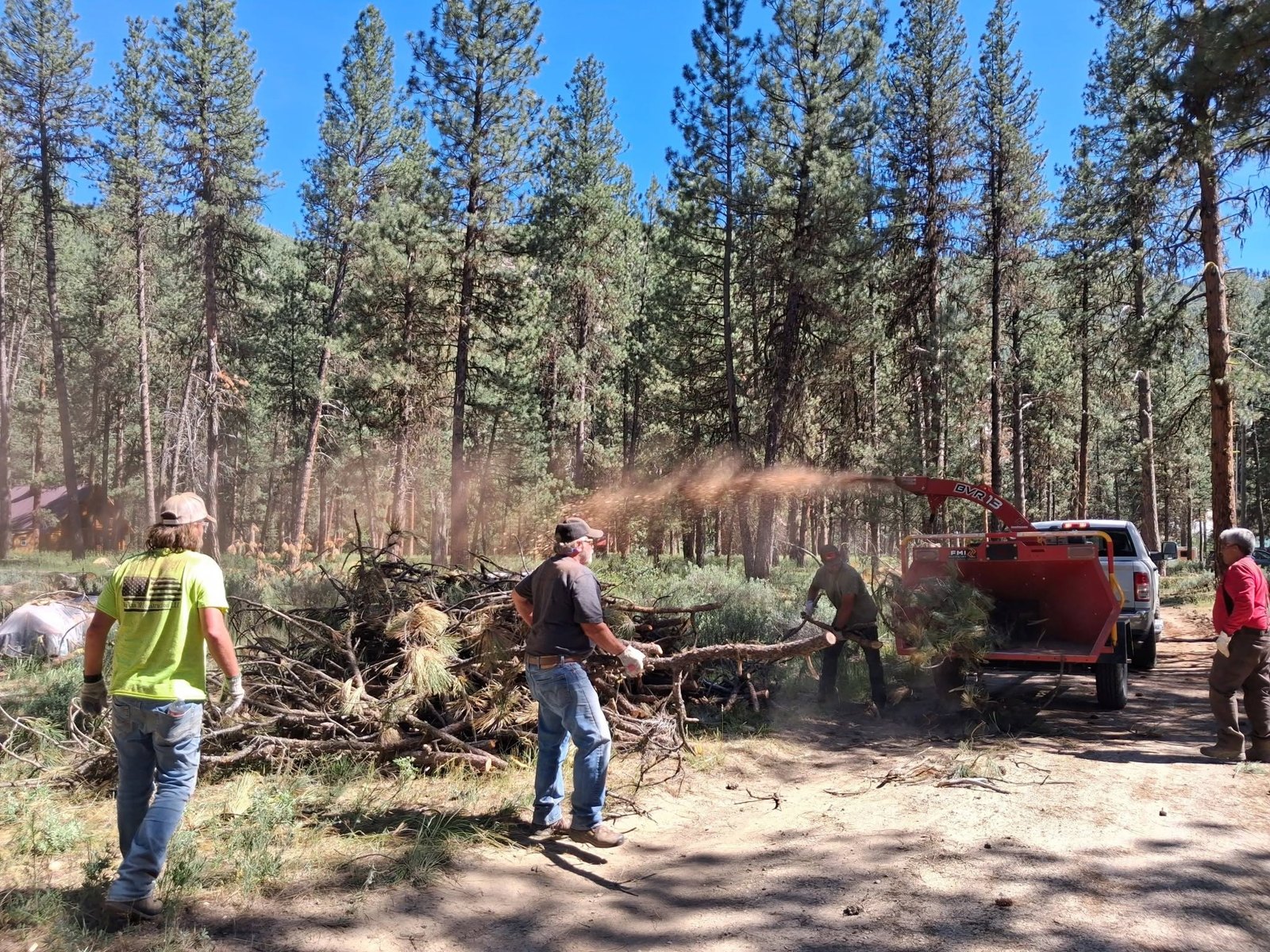
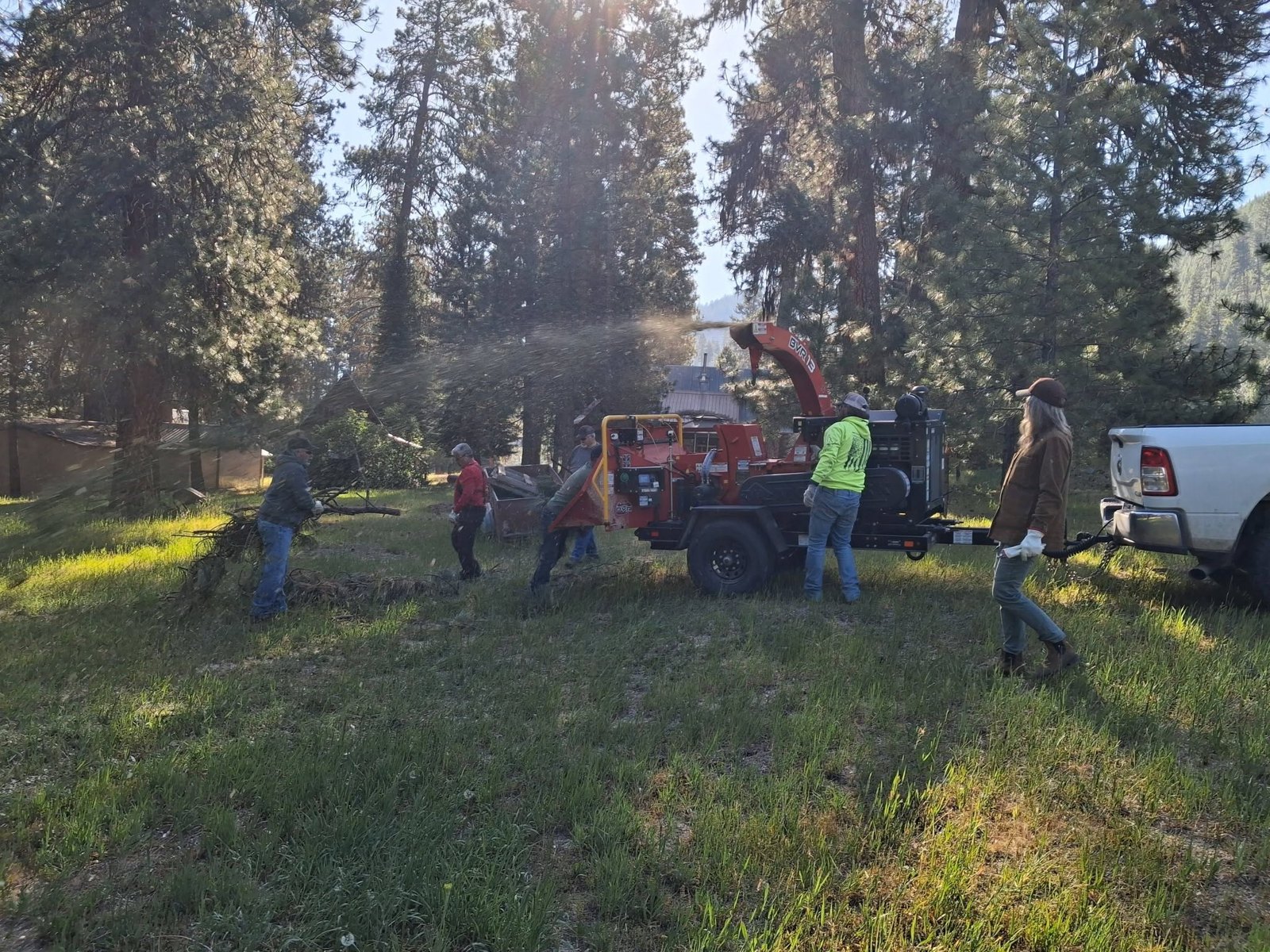
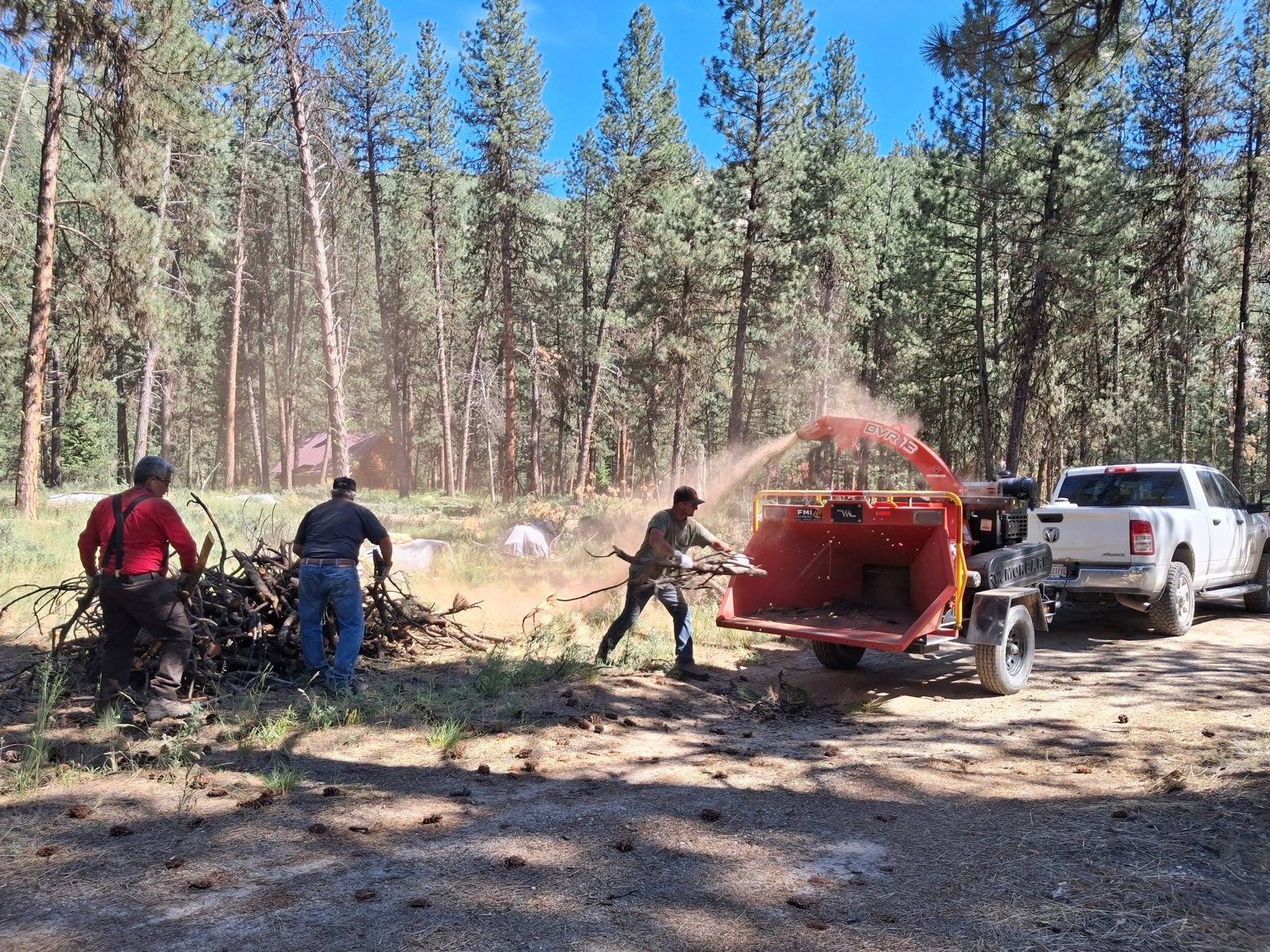
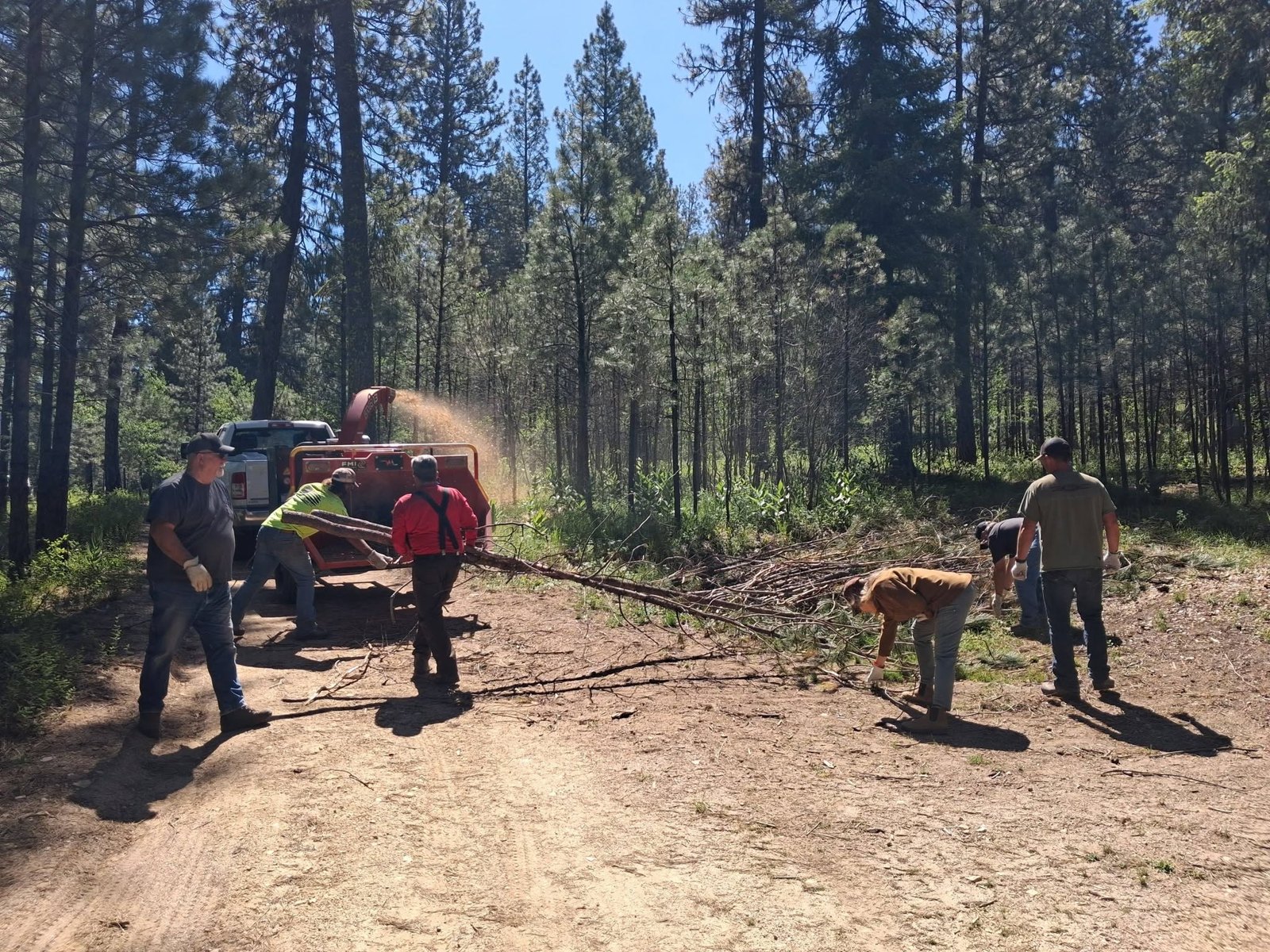
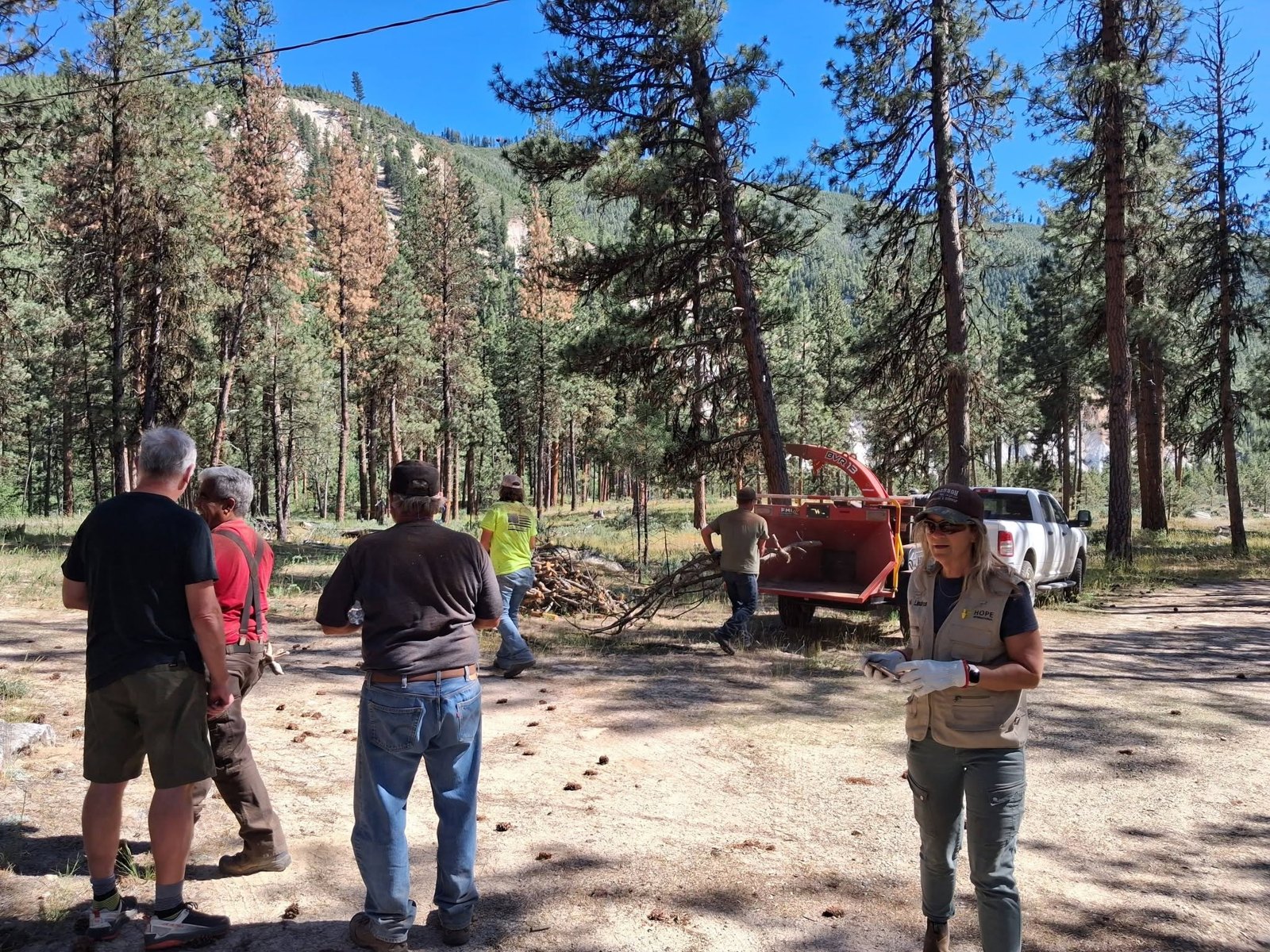
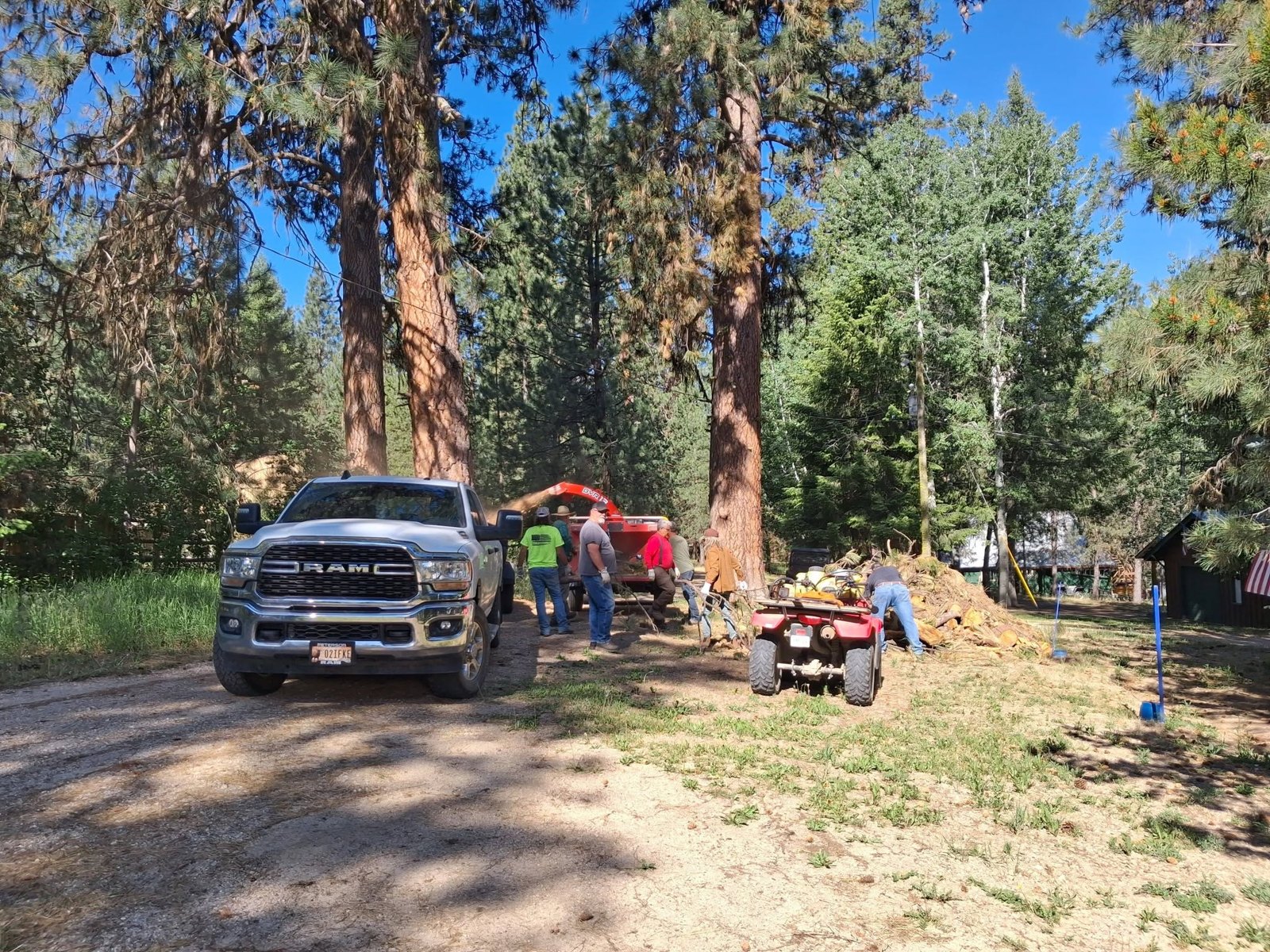
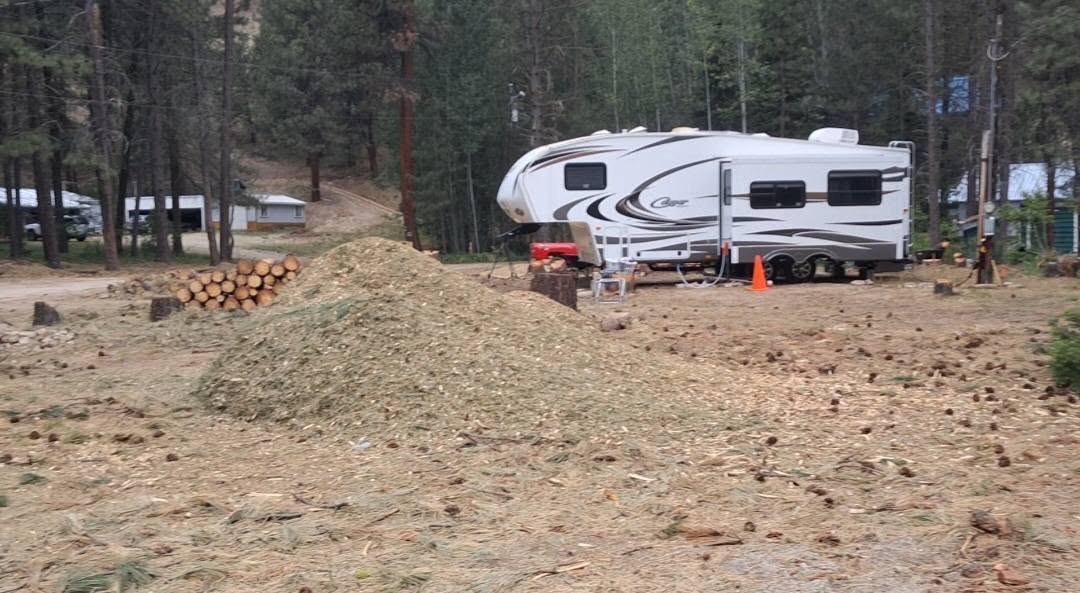
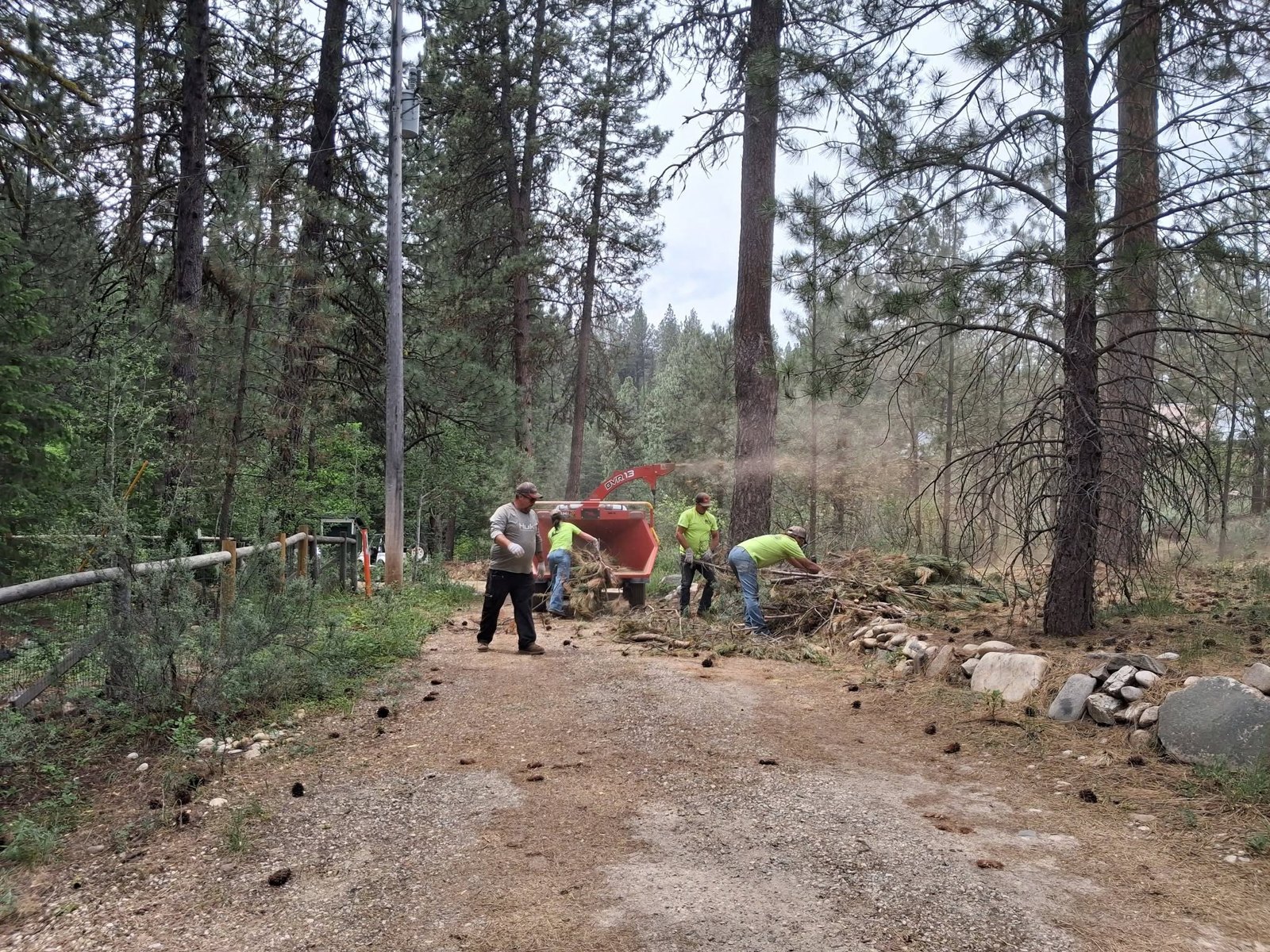
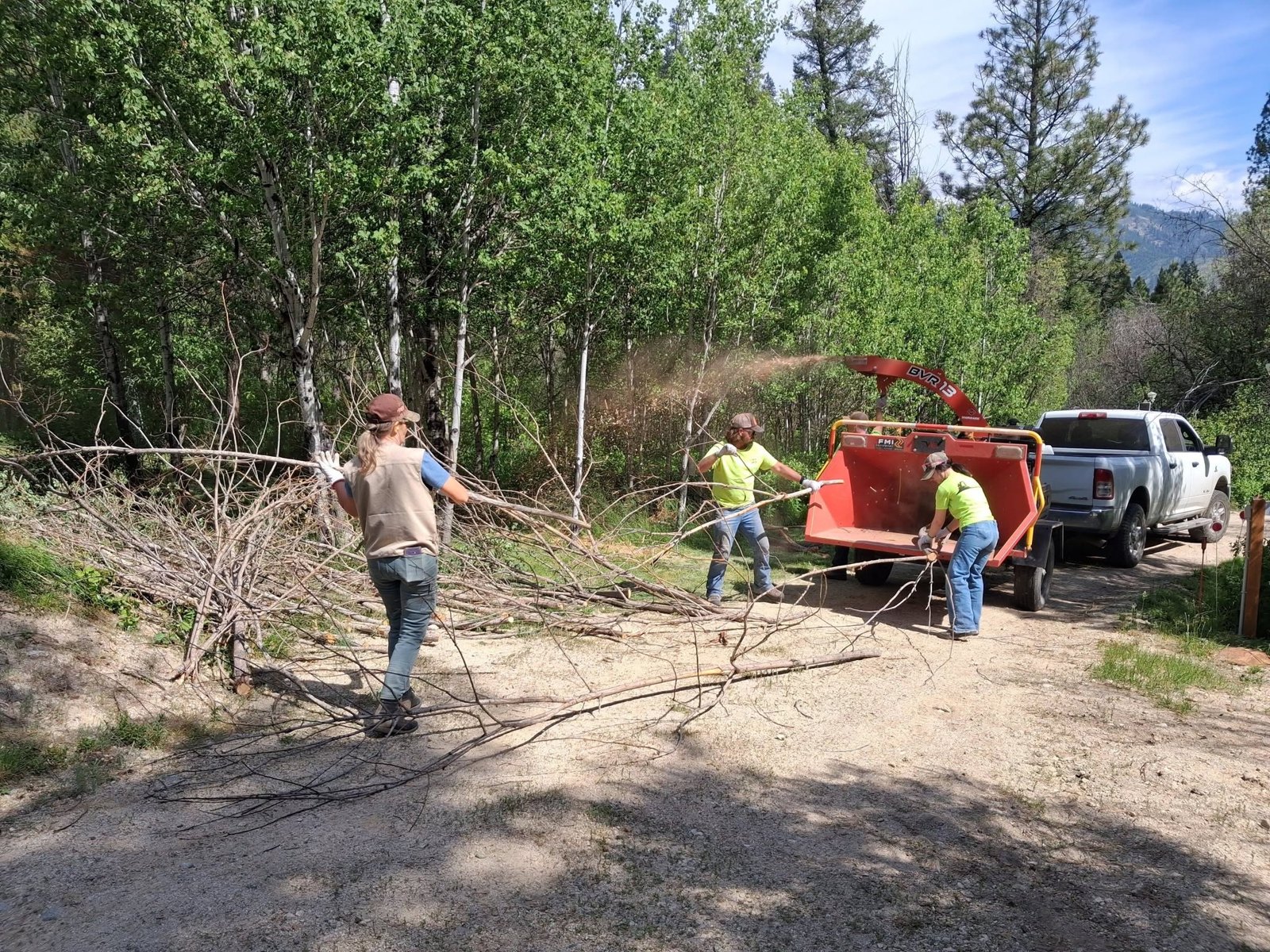
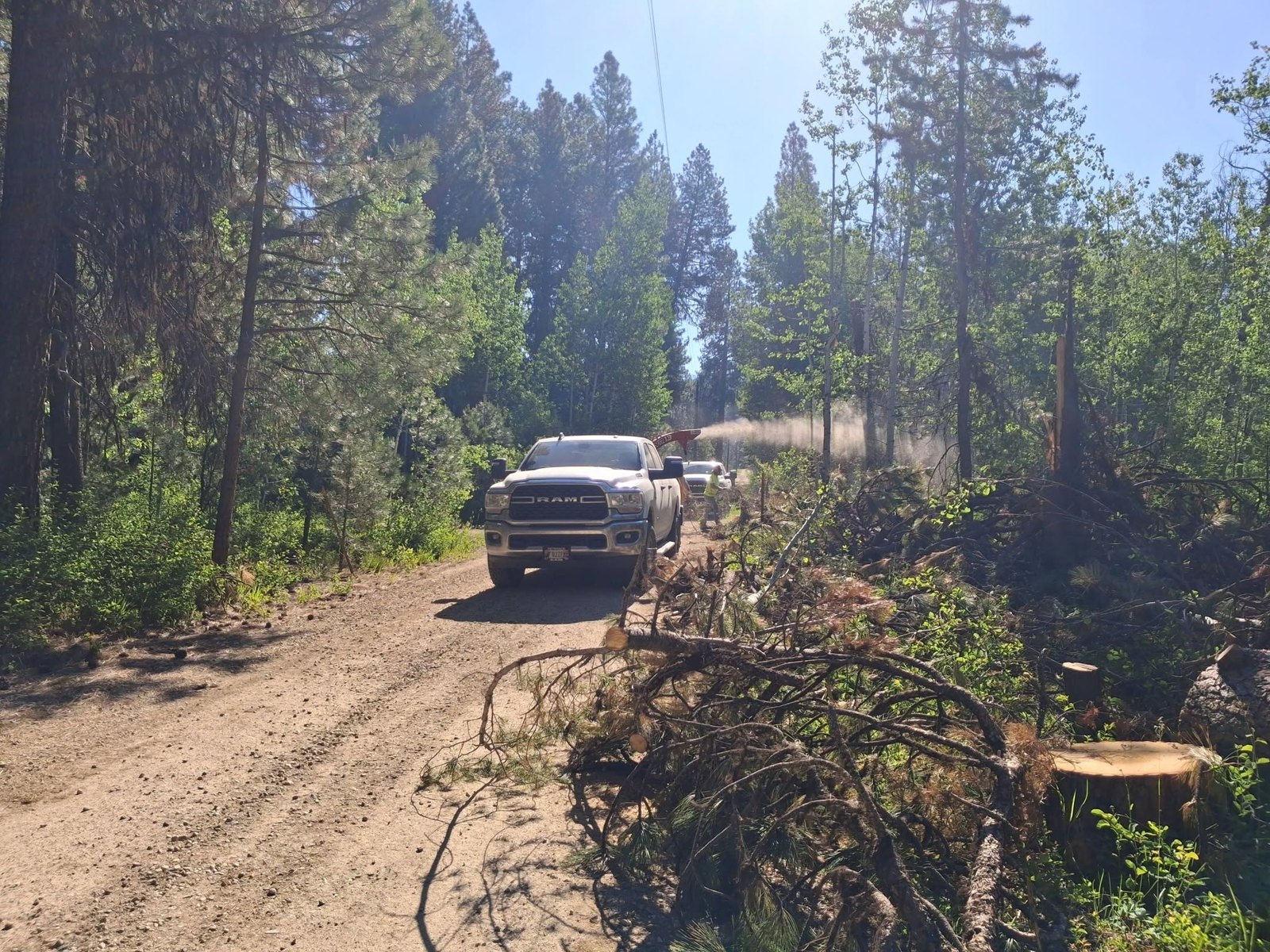
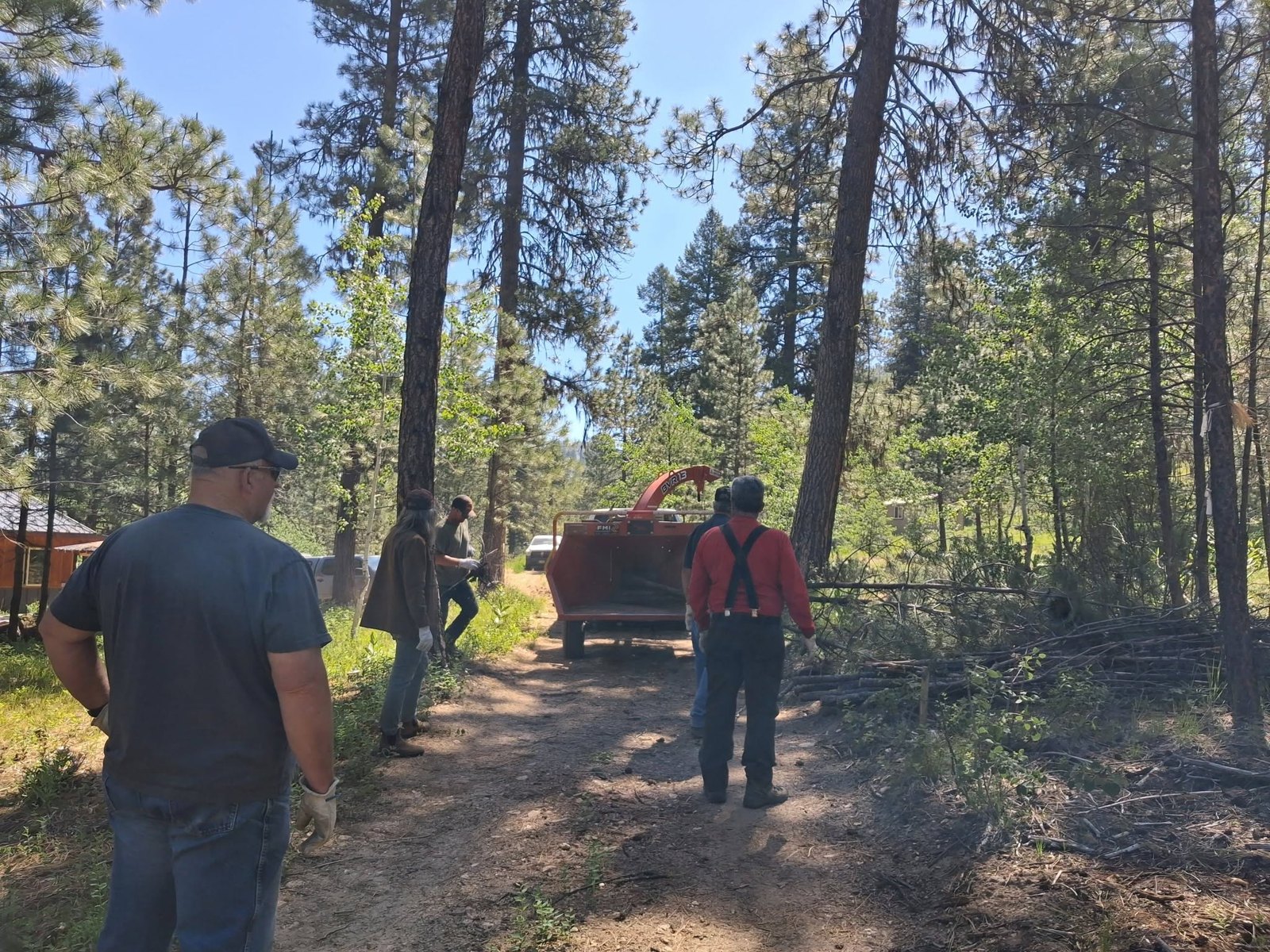
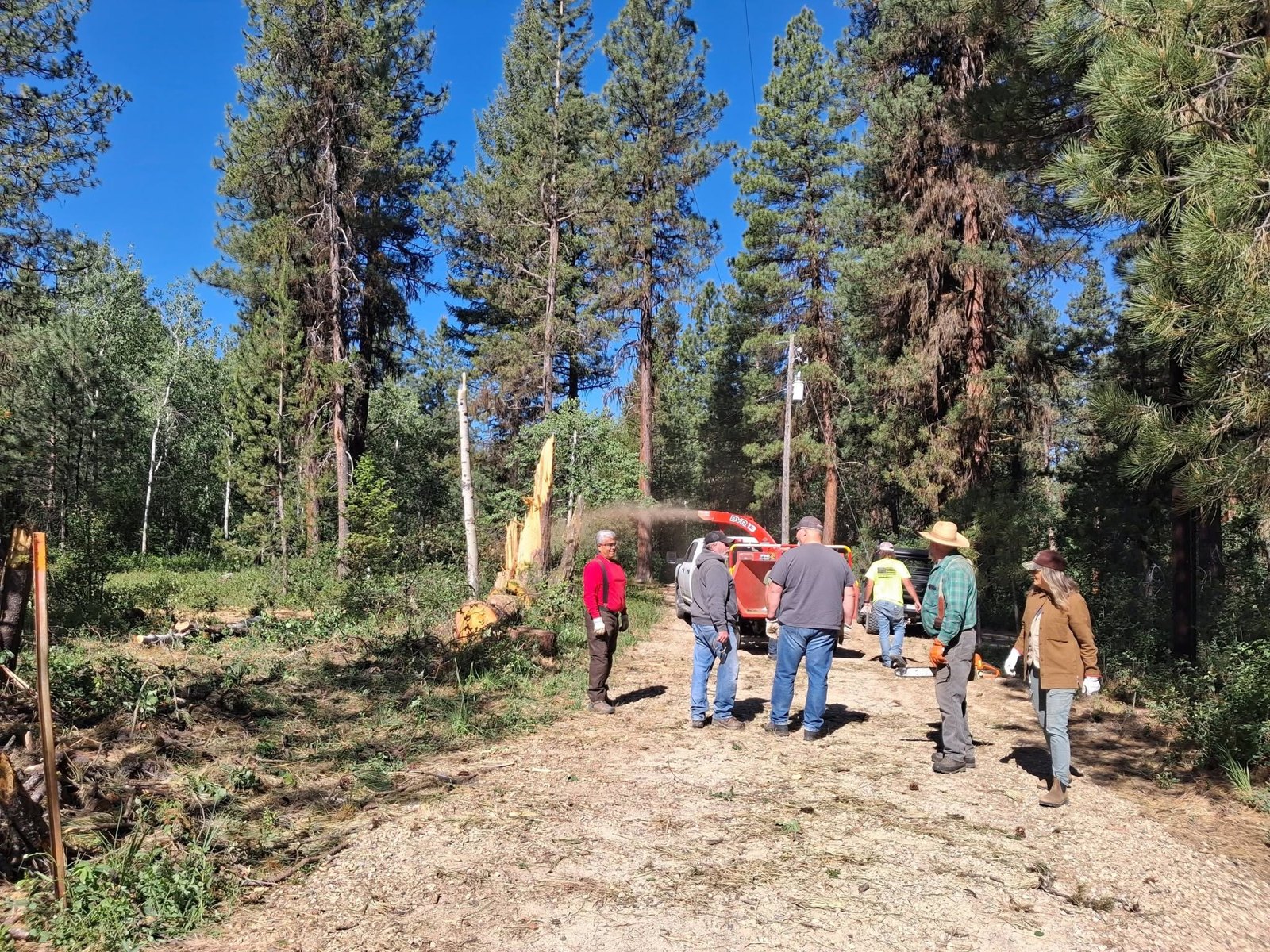
Join a Chipper Day, organize a neighborhood work party at two or three homes, and take on the bigger jobs as a group. Neighbors working side by side get more done.
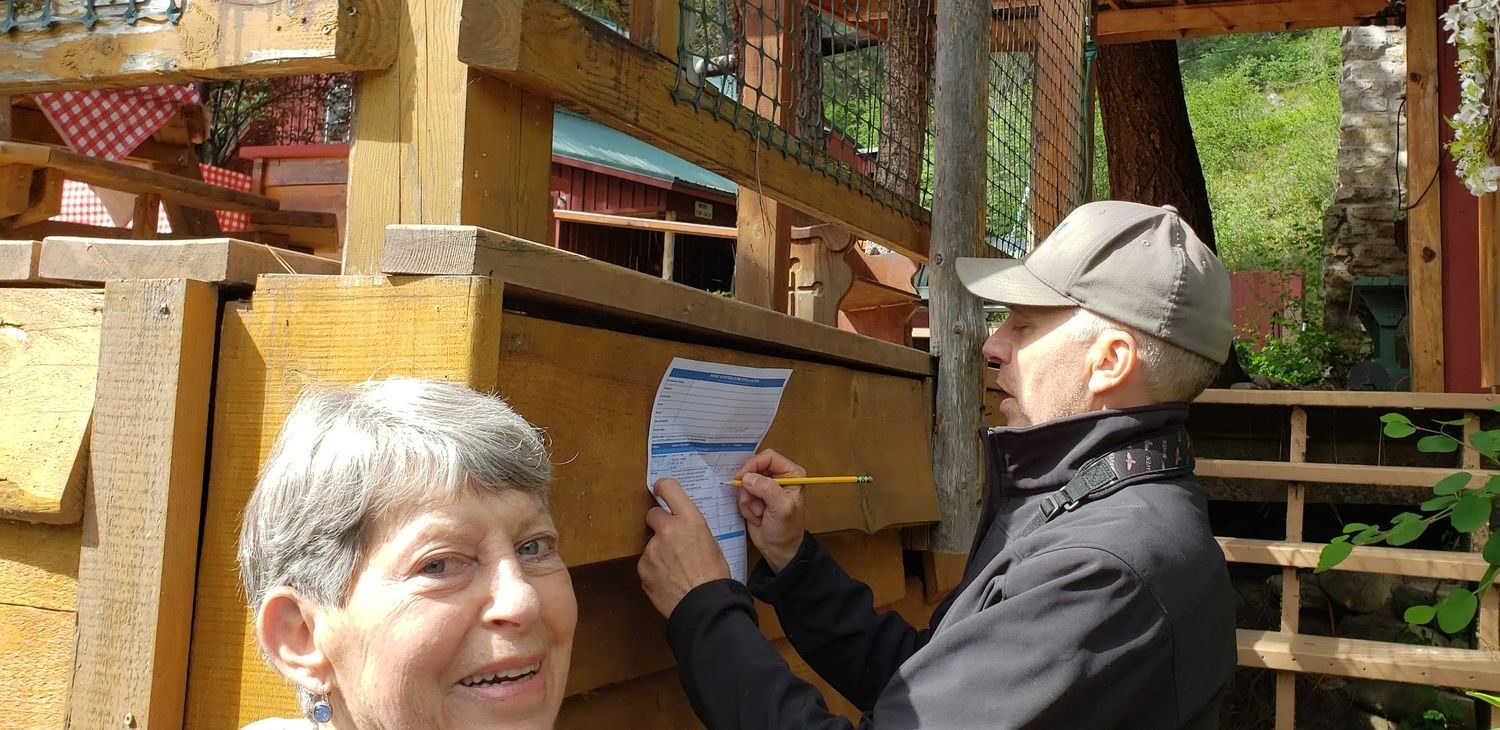
A trained, volunteer-led walk-through of your property, conducted with you present on a scheduled day. It takes about 60 minutes.
A trained Neighborhood Ambassador walks your home and grounds with you — from the front door to the forest — and scores the conditions that affect your home's wildfire risk. Lower scores indicate lower risk. You receive a completed, scored copy of the form with practical, prioritized suggestions.
This assessment is provided at no cost to you — made possible by generous donors and delivered by trained neighbors who give their time. It is informational only — it is not an insurance inspection, is not connected to any insurance company, and is not a guarantee against wildfire damage.
Community-funded — no cost to you
We complete a limited number of assessments each season and prioritize the households at highest risk and those least able to do this work alone. Requesting one is your first step — we'll follow up about availability.
Your information is kept confidential and used only for wildfire-safety and program purposes. It is not shared with insurers or posted publicly.
These goals reflect formal commitments to our community partners, and the numbers are updated as the work happens. Each metric reflects the coordinated work of neighbors who have devoted their time, talent, and resources — volunteering regularly to reduce wildfire risk across the Lowman community. Several counts begin at zero and climb as this season’s work gets underway.
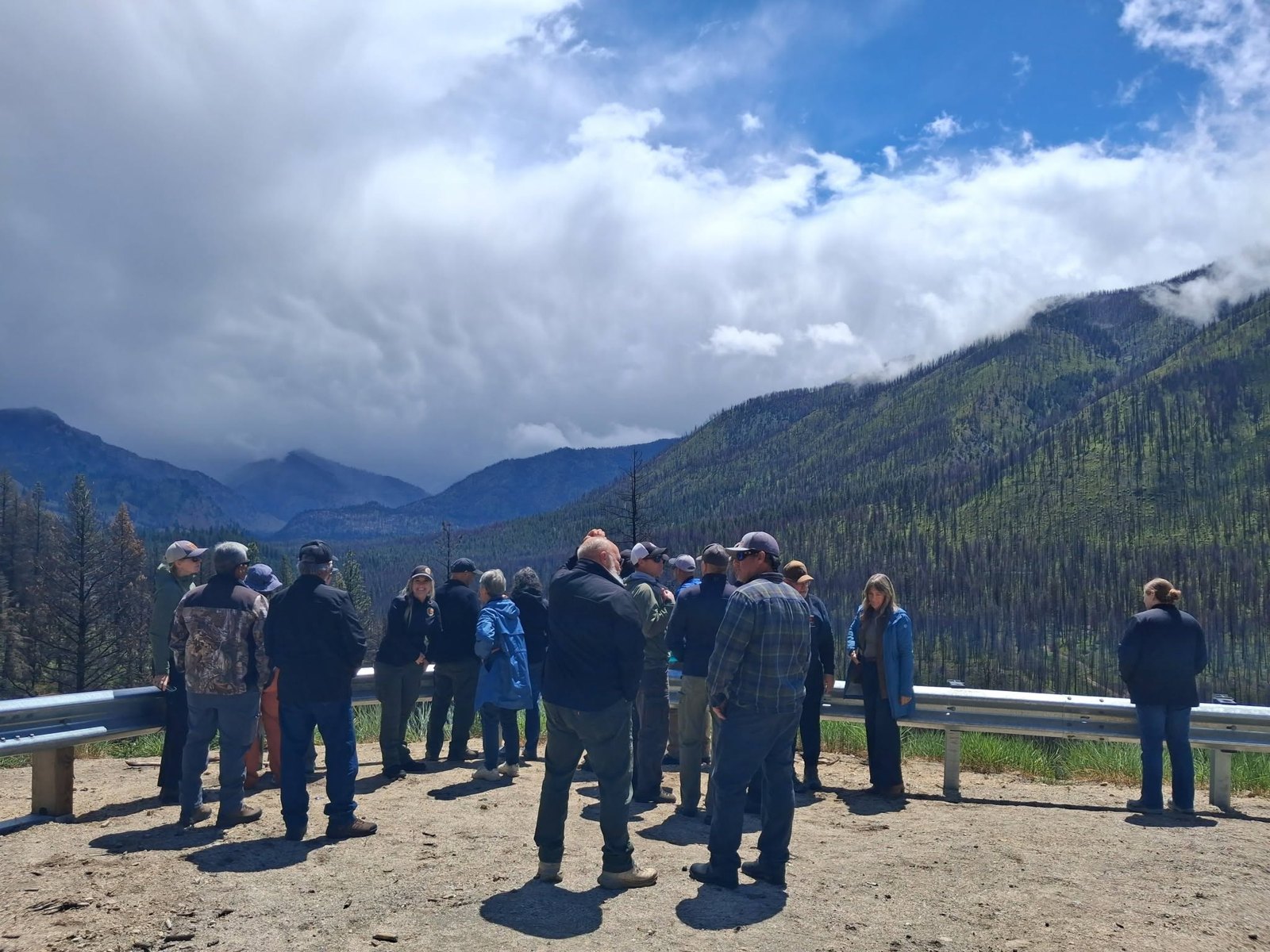
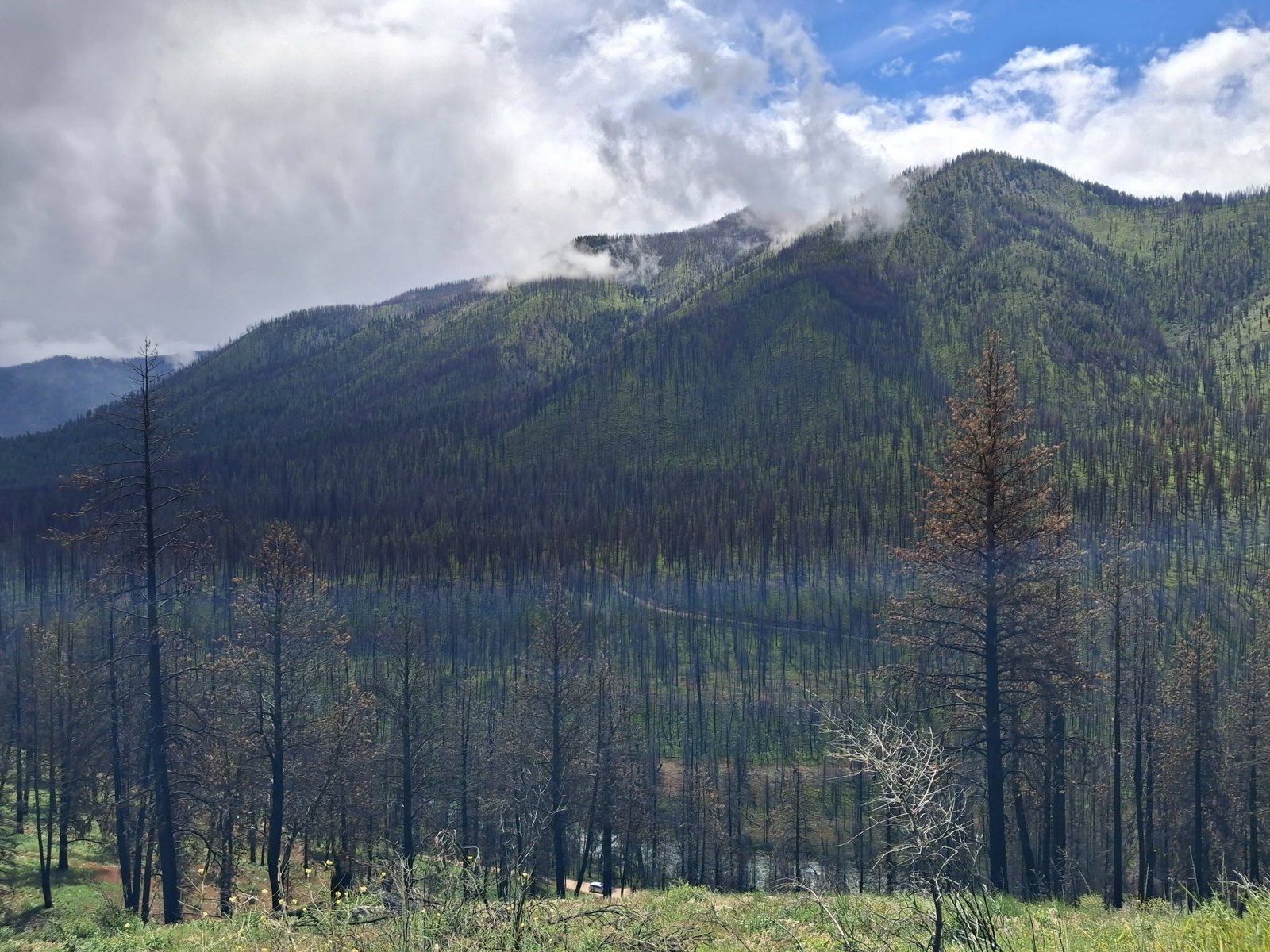
Lowman residents know the risk intimately. The 2024 fire season brought two simultaneous large fires pressing in from both directions: the Wapiti Fire (129,000 acres, northeast) and the Middle Fork Complex — Bulldog and Nellie fires — (61,000 acres, to the west). Highway 21 was closed for months. Over 2,100 firefighting personnel deployed.
The Lowman Volunteer Fire Department and local volunteers have served the canyon for years. Resilient Lowman is led by local residents alongside LVFD, with Boise County as fiscal sponsor.
Practical guides for reducing wildfire risk around your home. View, download, or ask any Neighborhood Ambassador for a printed copy.

A room-by-room and yard-by-yard checklist for hardening your home, starting in the first five feet.
Download PDFFirewise USA guidance on the steps that most reduce a home's chance of ignition.
Open guideReady, Set, Go! — building your family's evacuation and readiness plan for Highway 21.
Download PDFA quick self-assessment you can walk through before your scheduled visit.
Download PDFThese guides open on the publishers' websites (NFPA and Ready, Set, Go!). Ask any Neighborhood Ambassador for a printed copy.
Lowman and the surrounding Highway 21 corridor in Boise County. Over time, the aim is a neighbor-led model that other communities can build on.
Local residents lead the program, in coordination with the Lowman Volunteer Fire Department and other partners, with Boise County as fiscal sponsor.
Through a subaward from Coalitions & Collaboratives (COCO), with Boise County as fiscal sponsor. Much of the work is contributed in kind — the time, skills, and equipment of neighbors and local partners.
Volunteer your time and skills, serve your corner of Lowman as a Neighborhood Ambassador, or support the work however you can. Start at Get involved.
The current grant funds one year of work. What it builds — trained Neighborhood Ambassadors, shared equipment, and local know-how — is meant to stay in Lowman and carry on, season after season.
Yes. The assessment is community-funded — delivered by trained neighbors and supported by donors and grant funding — so there is no charge to you.
No work is done during the visit; it is a walk-through with you present. You decide what to take on afterward, and the program can point you to community resources like Chipper Days and defensible-space help.
About 60 minutes, outside, with you present. You receive a scored copy of your assessment with prioritized next steps.
You will need the property owner’s authorization. With their okay, renters are welcome to request an assessment.
Resilient Lowman is run by neighbors volunteering their time, and a limited number of assessments are completed each season. We endeavor to reach every request as resources and time allow, weighing wildfire risk and where help is needed most. Requests selected for scheduling are contacted directly to arrange a visit.
Resilient Lowman is built on a simple idea — neighbors helping neighbors reduce wildfire risk, one home and one street at a time. Preparing your home and your property is the single most effective thing you can do to improve its odds in a wildfire, and doing it alongside your neighbors makes the whole canyon more resilient. This work cannot guarantee that any home will survive a wildfire, but it can meaningfully reduce risk, and it is work worth doing together.
A Neighborhood Ambassador is a trusted Lowman resident — the human connection between Resilient Lowman and the neighbors who need it most. You know your area, the people there know you, and you are willing to show up when it matters. Lowman's greatest strength has always been its neighbors, and Ambassadors are how that strength becomes action for every household.

Reach out to neighbors across your area, helping them connect with the program and keeping an eye out for anyone who could use extra support. Connect, support, and encourage — participation is always voluntary.
Link neighbors to the resources available, help schedule and coordinate, and help organize mitigation work in your neighborhood — volunteer workdays, brush prep, and Chipper Days.
Speak from your own experience and best practice on wildfire risk reduction — raising awareness and sharing practical strategies to reduce wildfire risk to homes and build resilience in your neighborhood.
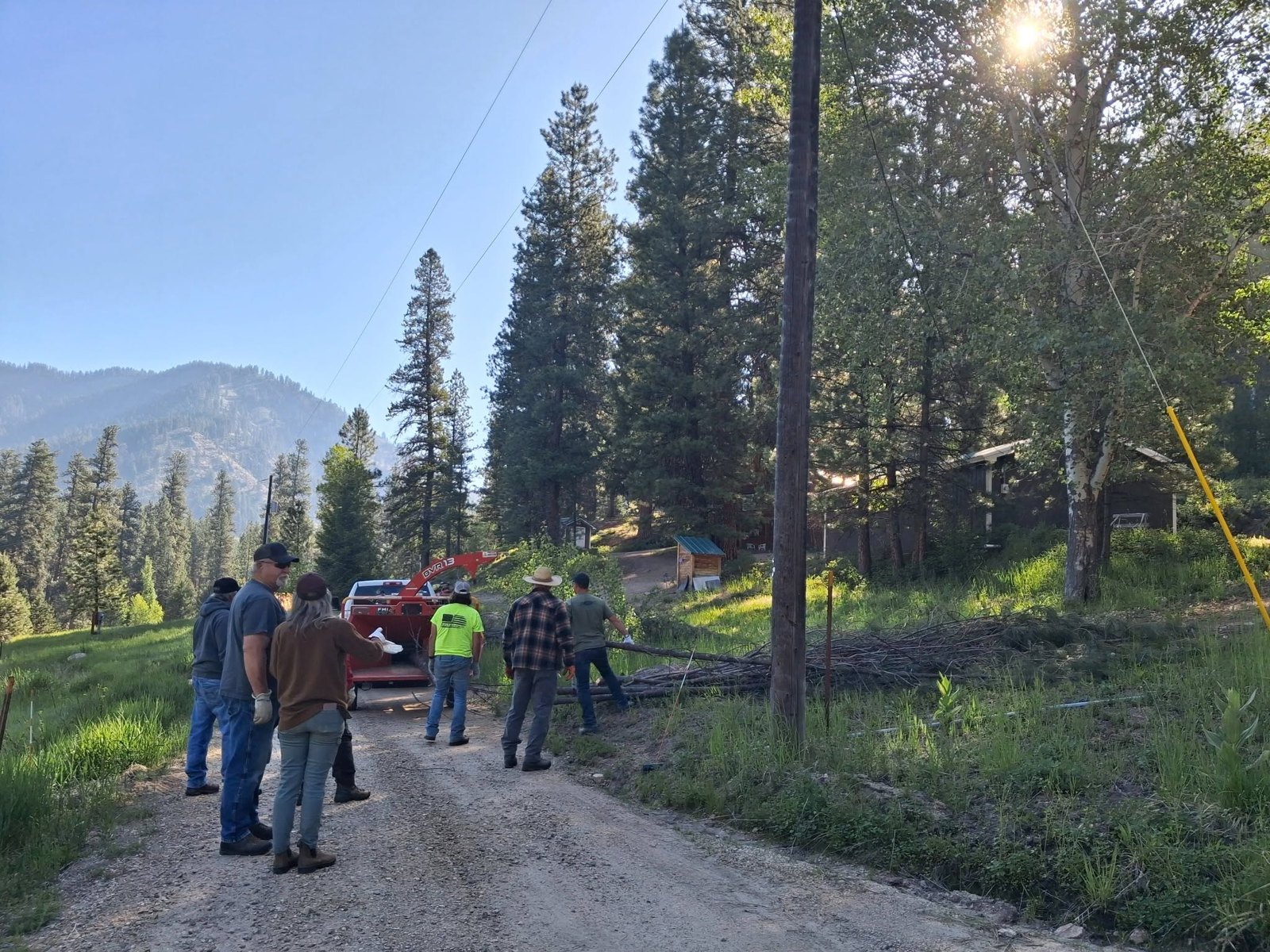
You are never working alone or expected to handle unsafe situations. You join a strong, supportive team — fellow Ambassadors and others whose experience and backing you can draw on whenever you need it.
Knowing your corner of Lowman is the main qualification. It is a volunteer role — flexible and built around what works for you, about four to eight hours a month. Full-time, part-time, and seasonal residents are all welcome, with full training, a resource packet, and the support of the whole team provided.
Express interest →Lowman's greatest strength is its neighbors. There are two ways to step in — volunteer your time and skills, or serve your area as a Neighborhood Ambassador.


For anyone in Lowman ready to lend a hand
Serve your corner of the canyon


Neighborhood Ambassadors and team members — sign in to record your monthly hours and mileage, note any donations, and run the Home Wildfire Risk Assessment workflow.
Lowman, Idaho · Monthly reporting due the 1st